Source Waterproof Breathable Cargo Pants for Factory and Security
Source waterproof breathable cargo pants from 30 verified suppliers. Compare features like flame retardancy, quick-dry fabric, and multi-pocket designs for factory, security, and industrial applications. Find suitable options for spring and autumn workwear needs; compare the available evidence and request quotations based on your requirements.
Key considerations
Products List


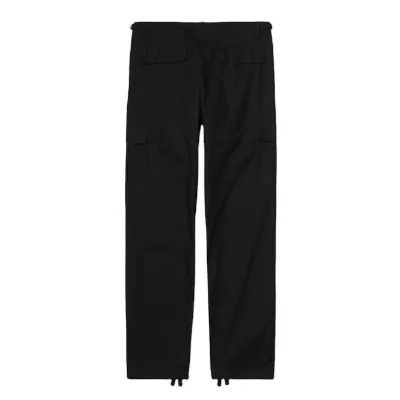
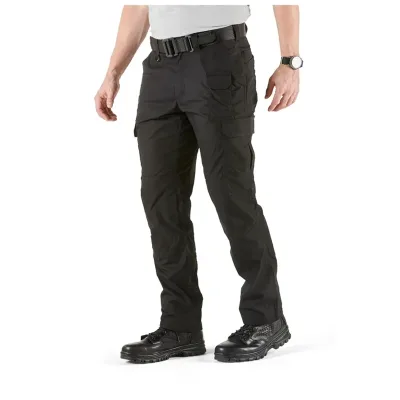


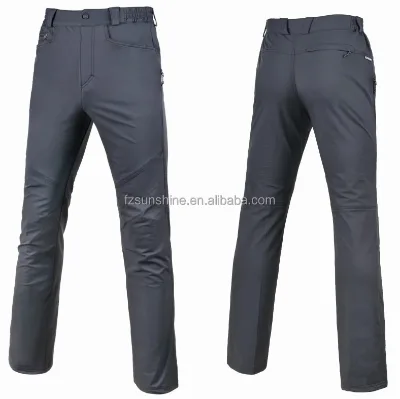
Comprehensive Sourcing Guide
Waterproof Breathable Cargo Pants Sourcing Guide
Procuring waterproof breathable cargo pants requires balancing protective performance with the functional utility demanded by industrial and security sectors. While the supplied data highlights specific workwear models featuring flame retardant and quick-dry properties, buyers must distinguish between general water resistance and certified waterproof breathability. The observed product range includes polyester and cotton blends designed for factory and security applications, yet the specific "waterproof breathable" claim requires rigorous verification against the actual fabric construction and membrane technology used in the final garment.
Buyers should prioritize suppliers who can demonstrate the specific membrane technology or coating that enables moisture vapor transmission while blocking liquid water ingress. The observed listings mention features like thermal insulation and wear resistance, which are critical for harsh environments, but these do not automatically equate to high-performance waterproofing. It is essential to request detailed fabric specifications that confirm the breathability rating, ensuring the pants remain comfortable during extended physical activity without compromising the barrier against external elements.
Product Scope and Observed Listing Signals
The current market signals indicate a diverse range of workwear trousers, including styles labeled as casual pants, straight-leg trousers, and loose-fitting models suitable for various body types. Observed product attributes reveal a focus on multi-pocket structures and open-fronted designs, catering to the utility needs of security personnel and industrial workers. The available color palette includes standard safety hues like orange, navy, and khaki, alongside custom options, allowing procurement teams to align inventory with corporate branding or site-specific safety requirements.
When evaluating product scope, buyers must carefully cross-reference the listed fabric types, such as twill or cotton, with the intended operational environment. The data shows a mix of medium and normal thickness options, suggesting that thermal protection levels vary significantly between models. It is crucial to verify whether the specific cargo pants selected offer the necessary durability for the intended use case, as the observed "wearproof" and "tear strength" claims must be validated against the specific material composition and weave density of the garment.
Technical Specifications to Verify
Technical verification must begin with the fabric composition and its ability to meet the dual requirements of water resistance and breathability. Buyers should demand test reports confirming tensile strength and tear resistance, as the observed data cites specific thresholds like higher than 1500n for tensile strength and higher than 35n for tear strength. These metrics are vital for ensuring the pants can withstand the rigors of mining, chemical, or petroleum industries without failing under stress or abrasion.
Further scrutiny is required regarding the garment's construction details, including pocket reinforcement, seam sealing, and zipper quality. The observed listings mention multi-pocket configurations and specific model numbers like JX6213 and JX5179, which may have distinct structural differences affecting their performance. Procurement teams must confirm that the "straight" or "loose" leg models provide adequate coverage and mobility while maintaining the integrity of the waterproof barrier, ensuring that no weak points exist where water could penetrate during active duty.
Compliance and Safety Documentation
Safety compliance is non-negotiable for workwear intended for hazardous environments, and buyers must verify adherence to recognized international and national standards. The supplied facts reference CE certification and standards such as GB 8965, NFPA, and EN, which are critical for flame retardant and thermal protection garments. It is imperative to ensure that the specific waterproof breathable cargo pants selected carry valid certification documents that match the claimed safety features, particularly for applications involving fire, chemical exposure, or electric power hazards.
Documentation must also cover chemical safety and environmental compliance, including formaldehyde content limits and washing durability. The observed data indicates formaldehyde content should be less than 75/300ppm and washing times exceeding 100 cycles, which are essential for maintaining safety performance over the product's lifecycle. Buyers should request comprehensive test reports that validate these claims, ensuring the garments do not pose health risks to workers and retain their protective qualities after repeated laundering and heavy use.
Cost Drivers and Commercial Terms
Cost structures for specialized workwear are heavily influenced by the complexity of the fabric technology and the level of safety certification required. The observed MOQ range of 100 to 5000 units suggests that economies of scale play a significant role in pricing, with larger orders likely yielding more favorable unit costs. Buyers must analyze the trade-off between the initial purchase price and the long-term value provided by durable, high-performance materials that reduce replacement frequency and enhance worker safety.
Commercial terms regarding customization and lead times are equally critical for aligning procurement with operational schedules. The data indicates customization is available, with sample times ranging from 5 to 15 days, which impacts the overall timeline for order fulfillment. Procurement teams should negotiate clear terms for packaging, such as the observed 1PC/Polybag or 20PCS/Carton configurations, and establish realistic delivery schedules that account for the production complexity of flame-retardant and waterproof treatments.
Supplier Qualification and Quality Control
Supplier qualification should focus on manufacturers with a proven track record in producing certified safety workwear for the specific industries targeted. The observed product origins in Liaoning, China, and the availability of OEM branding suggest a robust manufacturing base, but buyers must verify the supplier's capacity to maintain consistent quality across large production runs. It is essential to audit the supplier's quality control processes to ensure that every batch meets the stringent requirements for flame retardancy, water resistance, and mechanical strength.
Quality control protocols must include rigorous testing of finished goods against the specified standards and performance metrics. Buyers should implement a sampling plan that verifies the physical attributes of the cargo pants, such as pocket placement, seam strength, and fabric thickness, against the agreed-upon specifications. Regular third-party inspections are recommended to validate that the production output consistently matches the certified samples, preventing defects that could compromise worker safety or lead to costly returns.
Long-Term Procurement Checks
Establishing a long-term procurement strategy requires continuous monitoring of supplier performance and product consistency over time. Buyers should track key performance indicators such as defect rates, delivery reliability, and the durability of the garments after extended use in the field. The observed data highlights specific model numbers and features, but maintaining a relationship with a supplier who can consistently reproduce these high-quality standards is vital for operational continuity and safety compliance.
Regular re-evaluation of the product specifications against evolving industry standards and safety regulations is necessary to ensure ongoing compliance. As technology advances, the requirements for waterproof breathable fabrics may change, necessitating periodic updates to the procurement specifications. Procurement teams should maintain open communication with suppliers to stay informed about new materials and technologies that could offer improved performance, ensuring the workforce remains protected with the most effective gear available.
FAQs
What materials are used for these workwear pants?
The pants are primarily made from polyester twill fabric, offering durability and comfort for industrial use. Some models utilize cotton blends to enhance breathability and thermal insulation. These materials are selected to withstand harsh factory environments while providing quick-dry properties and flame retardant features for worker safety.
Can these pants be customized for specific brands?
Yes, customization is available for these workwear trousers. Buyers can request custom colors, including orange, navy, and khaki, to match corporate safety standards. The OEM brand option allows for private labeling, and the product supports custom packaging configurations to meet specific logistical or branding requirements for bulk orders.
What certifications do these safety pants meet?
These pants comply with CE standards and relevant safety regulations. Specific models adhere to GB 8965, NFPA, and EN standards for flame retardant and protective clothing. These certifications ensure the garments meet rigorous safety requirements for industries such as fire, chemical, and petroleum sectors, guaranteeing reliable protection for workers.
What is the typical sample time for orders?
The sample time typically ranges from 5 to 15 days. This period allows for the production of prototypes to verify fabric quality, stitching, and customization details like labels and pockets. Buyers should account for this lead time when planning procurement schedules to ensure timely delivery of bulk orders for their teams.
How are the pants packed for shipping?
The pants are packed in polybags, with 1 piece per polybag. Cartons contain either 20 or 40 pieces depending on the specific model, ensuring efficient folding and protection during transit. This standardized packing method helps minimize damage and optimizes storage space for both suppliers and buyers receiving large wholesale quantities.
Are these pants suitable for spring and autumn use?
Yes, these trousers are designed for spring and autumn seasons. They feature medium to normal thickness fabrics that provide adequate warmth without overheating. The breathable twill material ensures comfort during moderate temperatures, making them ideal for factory and security workplaces where workers need mobility and protection in variable weather conditions.